
"Brazil coffee market"
5000 article(s) found

Brazilian Coffee production, do Brazilian Coffee have Fat Powder
Following Cafe (Wechat official account vdailycom) found that Beautiful Cafe opened a small shop of its own Brazil coffee production Brazil is the most advanced and most dependent on industrial production of coffee in the world. Brazil grows 1/3 of the world's coffee trees, with an all-time high of 80 per cent of the global coffee market. The commercial scale cultivation of Brazilian coffee began in Pa, near Rio de Janeiro.

The main factors affecting the price of coffee beans can be summarized as follows.
Coffee futures trade coffee beans, and futures are both an investment and an increase in coffee. The increase in coffee lies not only in the origin, good or bad, but also for many piecemeal reasons. In the coffee futures market, the main factors affecting the price of coffee beans can be summarized as follows: 1. Changes in supply: supply and demand have a certain impact on prices, changes in supply
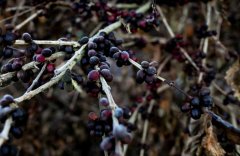
Brazil's drought continues, the yield of raw coffee beans is worrying in the next season, and farmers give up growing coffee.
Coffee turns to grain according to a report by Reuters on Aug. 24, Brazilian farmers' coffee fields have suffered heavy losses after the worst frost in 27 years, and some of them plan to clean up coffee plants withered by frost in the fields. Switch to cereals. Growing soybeans and corn is one of the most profitable farming methods in Brazil. With coffee, which has been cultivated for many years

Brief introduction of Brazilian Coffee Bean Flavor
Professional coffee knowledge exchange more coffee bean information please follow the coffee workshop (Wechat official account cafe_style) front street-Brazil Coffee introduction Brazil accounts for about 1/3 of the world's annual coffee production (by far the world's largest coffee producer and exporter). In 2015, Brazil produced a total of 36.89 million bags of coffee (each bag of 60kg). You can imagine how many cups of coffee can be made.
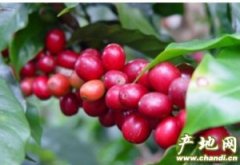
American and Brazilian coffee beans, where fine coffee is produced.
Brazilian coffee beans generally refer to coffee produced in Brazil. There is a wide variety of Brazilian coffee, the vast majority of which are unwashed and sun-dried, classified according to the name of the state of origin and the port of transport. Brazil has 21 states and 17 states produce coffee, but four of them produce the largest, accounting for 98% of the country's total output. Brazilian coffee has a low sour taste.

Grinding scale of Brazilian Hilado Coffee beans introduction to the manor of taste treatment
Brazil is vividly compared to the giant and monarch of the coffee world. There are about 3.97 billion coffee trees there, and small farmers now grow 75% of Brazil's total coffee production. The number of coffee producers in Brazil is twice or even three times that of Colombia, the second largest coffee producer in the world. Unlike in the past, Brazil's economy is less dependent on coffee.

Brazil's coffee bean production ranks first in the world Arabica coffee bean producing area coffee consumption new model
Brazil's coffee production is expected to exceed 61.6 million 60-kilogram bags by 2020, up from 49.3 million bags a year ago. Coffee crops are characterized by a biennial effect on harvest yields, with very high yields one year followed by relatively low yields. 2020 is the so-called positive double year. Brazil is by far the world's largest producer of coffee, while in the domestic sector the commodity accounts for 20 per cent
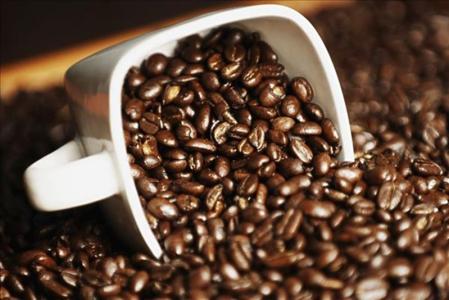
Coffee bean short investors may benefit from currency depreciation in emerging market countries
Short investors in coffee beans are likely to benefit from the devaluation of emerging market currencies. As a result of economic stagnation and the collapse of oil prices, the currencies of Brazil and Colombia, the world's largest supplier of Arabica coffee (Arabica coffee), have depreciated, with the Brazilian real down 25 per cent so far this year. In the past six months, the Brazilian real and the Colombian peso have exchanged exchange rates against the dollar.

The largest producer of boutique coffee, American and Brazilian coffee beans
Brazilian coffee beans generally refer to coffee produced in Brazil. There is a wide variety of Brazilian coffee, the vast majority of which are unwashed and sun-dried, classified according to the name of the state of origin and the port of transport. Brazil has 21 states and 17 states produce coffee, but four of them produce the largest, accounting for 98% of the country's total output. Brazilian coffee has a low sour taste.

Introduction to the Flavor description and treatment of Brazilian Coffee beans the planting characteristics of Ping manor
Brazil is vividly compared to the giant and monarch of the coffee world. There are about 3.97 billion coffee trees there, and small farmers now grow 75% of Brazil's total coffee production. The number of coffee producers in Brazil is twice or even three times that of Colombia, the second largest coffee producer in the world. Unlike in the past, Brazil's economy is now less dependent

Brazilian coffee flavor description Variety characteristics Fine coffee beans taste grinding degree Introduction
Old bourbon coffee is grown on estates in Cerrado district, Minas Greais state, in southeastern Brazil. These estates, such as Capin Branco Estate and Vista Allegre Estate, grow bourbon old-variety coffee that is also sold on the market. Although they come from the same region, these coffees are different.
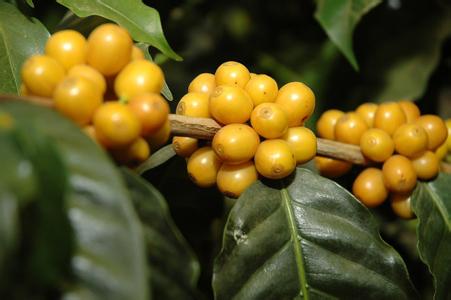
The world's largest coffee exporter is going to import coffee. What's going on?
Mention Brazil, samba, carnival and, of course, coffee. With its unique geographical location and natural conditions, coupled with hundreds of years of coffee cultivation history and traditional skills, Brazil has always occupied the top export position in the world coffee market. But now that things have changed, they are also thinking about importing coffee. The export volume of Brazilian coffee has always been difficult for other regions.

Introduction to the flavor and taste of Brazilian coffee the characteristics of Brazilian coffee in Brazilian coffee producing areas
Due to the overproduction of coffee in the world and the low price of coffee in the international market, even reaching the lowest level in nearly 30 years (from January 2001 to January 2002 alone, the price of small-grain coffee in Brazil plummeted by 63.4% and that of large-grain coffee by 73.9%). The Brazilian government is implementing an emergency plan to resume coffee production activities and formulate promotion strategies, such as increasing the added value of products, improving and replacing varieties, and establishing

The soft flavor of Brazilian coffee introduces the taste of Brazilian coffee producing area.
The largest coffee producer, which accounts for 1/3 of the world's coffee consumption, accounts for 1/3 of the world's coffee consumption and has a place in the global coffee market, although Brazil faces several times more natural disasters than other regions. but its acreage is enough to make up for it. Brazilian coffee fruit there are many kinds of coffee here, but its industrial policy is large and cheap.

Introduction of Brazilian coffee with low acidity, taste and quality coffee beans
Old bourbon coffee is grown on some estates in the Serrado district of Minas Greais state in southeastern Brazil. Old varieties of bourbon coffee grown on these estates, such as Capin Branco and Vista Allegre, are also sold on the market. Although they come from the same area, there are different kinds of coffee.

How to bake commercial beans according to the characteristics and baking performance of commercial Brazil and commercial Colombia?
From the perspective of the coffee market, coffee beans are mainly divided into two categories: commercial beans and high-quality coffee beans. Commercial beans are not very high-quality coffee beans themselves, with low quality and high defect rate. In terms of price, high-quality coffee beans are several times more expensive than commercial beans. From a cost point of view, of course, the profit space of choosing commercial beans will be very large. In terms of the flavor of individual beans, commercial beans

Types of Brazilian coffee Brazilian coffee characteristics Brazilian coffee brand boutique coffee beans
Although the variety of Brazilian coffee is diverse, Brazilian coffee is suitable for the taste of the public. For example, coffee produced in the northern coastal areas has a typical iodine taste, reminiscent of the sea after drinking. This coffee is exported to North America, the Middle East and Eastern Europe. Another kind of coffee that is interesting and worth looking for is washed Bahia. This kind of coffee is not easy.

Brazilian Coffee Flavor description, Grinding degree, Taste characteristics, processing method, introduction to manors in producing areas
Brazilian coffee generally refers to coffee produced in Brazil. There are many kinds of coffee in Brazil. Like other Arabica coffee, Brazilian coffee is called Brazilian coffee Brazils to distinguish it from Milds coffee. The vast majority of Brazilian coffee is unwashed and sun-dried and is classified according to the name of the state of origin and port of transport. Brazil has 21 states and 17 states produce coffee, but among them

Do you know the name of the best coffee in Brazil? what are the characteristics of coffee distribution in Brazil?
Professional coffee knowledge exchange more coffee bean information please pay attention to the coffee workshop (Wechat official account cafe_style) flavor characteristics: good Brazilian beans from the bourbon clock of the old coffee tree, smell a clear sweet and bitter taste, some people use extremely warm and smooth to describe the top Brazilian coffee. Because it is rich in oil, Brazilian beans have always been indispensable in the espresso formula.

Brazilian Coffee Flavor description Variety characteristics introduction to the taste grindability of fine coffee beans
Old bourbon coffee is grown on some estates in the Serrado district of Minas Greais state in southeastern Brazil. Old varieties of bourbon coffee grown on these estates, such as Capin Branco and Vista Allegre, are also sold on the market. Although they come from the same area, there are different kinds of coffee.